
Este sitio web tiene ciertas restriucciones de navegación. Le recomendamos utilizar buscadores como: Edge, Chrome, Safari o Firefox.

Cart 0

¡Felicidades! Su pedido está calificado para el envío libre You are $ 90 away from free shipping.
No hay más productos disponibles para comprar

Productos
¿Es esto un regalo?
Pair with

Revive

Signature Size

$ 86

EMULSION FOR EYES & EXPRESSION LINES
Advanced emulsion to de-puff, tone, brighten & smooth lines

Glow

$ 78

EXFOLIATING FACE MASK
Gentle acid mask to smooth, tone & brighten
Costo sin impuestos Gratis
Antes de los impuestos y gastos de envío.

Return & Exchange Policy. To qualify for a return, items must be unopened and in their original packaging. Returns of used products may be considered on a case-by-case basis and, if approved, will be eligible for store credit only. Not sure if a product is right for you? Contact our team for custom recommendations, or test compatibility with a deluxe mini. If you choose to decline Corso Sustainable Shipping Protection, you acknowledge that LINNÉ is not responsible for lost, stolen, or undelivered packages and cannot provide replacements or refunds in such cases.

Su carrito está vacio.

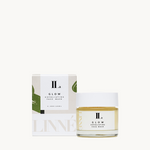
Glow

EXFOLIATING FACE MASK

$ 78
  • 100% Natural
  • Ethically Crafted
  • Carbon NEUTRAL

A gentle acid mask that smooths, tones, brightens, unclogs pores, enhances elasticity, and improves skincare absorption.

Read More
Read Less
View Ingredients List
Ingredients List

Glycerin (from VEGETABLE oils), Aloe barbadensis (ALOE) raw juice*, Solanum tuberosum (POTATO) starch*, Vaccinium myrtillus (BILBERRY) fruit/leaf extract, sodium stearoyl lactylate (from non-gmo CORN)***, Simmondsia chinensis (JOJOBA) seed oil*, sodium chloride (DEAD SEA SALT)**, Saccharum officinarum (SUGAR CANE) extract, Citrus aurantium var. bergamia (BERGAMOT) peel oil*∞, Leuconostoc/Radish Root Ferment Filtrate, Citrus aurantium dulcis (ORANGE) fruit extract, Citrus limon (LEMON) fruit extract, glyceryl stearate, Lactobacillus, xanthan gum (from SUGAR BEET), Acer saccharinum (SUGAR MAPLE) extract, Cocos Nucifera (Coconut) fruit extract***,  Pelargonium graveolens (GERANIUM) oil, Anthemis nobilis (ROMAN CHAMOMILE) essential oil, Curcuma longa (TURMERIC) essential oil*, Citronellol^, Geraniol^, Linalool^, Citral^, Limonene^, Myrcene^ 
 *Organic     **Wild-harvested      ***EcoCert      ∞Furanocoumarin-free        ^Naturally Occurring in Plant Oils

SIZE Signature Size
SizeSignature Size
How Subscriptions Work

Lorem ipsum dolor sit amet consectetur adipisicing elit. Eaque facilis voluptates dolorem magni, eum, nihil mollitia, quisquam quidem distinctio numquam iste placeat autem laborum veritatis assumenda fuga ea corrupti modi?

Shipping & Returns
Shipping & Returns
Shipping & Returns
RETURN POLICY

We accept returns within 15 days of delivery. Please review the conditions below before initiating a return:

Unopened Products
  • Must be in perfect, resaleable condition

  • Eligible for a refund minus a 10% per item restocking fee

  • Refunds are processed once the return is received and inspected

Opened Products
  • Eligible for store credit only

  • Store credit will reflect the product cost minus 25% of the purchase price


Not Sure if a Product is Right for You?

We want you to feel completely confident before investing in a full-size product. Here are three easy ways to find your perfect match:

  • Take Our Skin Quiz →
    Get instant, tailored recommendations based on your skin type, concerns, and goals.

  • Reach Out for Personalized Guidance
    Email us at hello@linnebotanicals.com and our team will curate a routine just for you.

  • Try Before You Commit
    Many of our products are available as deluxe minis or discovery sets, so you can test texture, scent, and performance before purchasing a full size.


How to Start a Return

Email hello@linnebotanicals.com. within 15 days of receiving your order. Items sent back without prior authorization will not be accepted.


Shipping Your Return

Please securely wrap your items and ship via FedEx, UPS, or USPS. LINNÉ is not responsible for returns lost or damaged in transit. Be sure to include your name, address, phone number, email address, and order number inside the package. Shipping fees are not covered.


Damages and Issues

Inspect your order upon arrival and contact us immediately if an item is defective, damaged, or incorrect so we can make it right.


Refunds & Store Credit

Once your return is received and inspected, we will confirm whether a refund or store credit has been approved. If more than 15 business days pass after approval and you haven’t received your credit or refund, please contact us at hello@linnebotanicals.com


SHIPPING POLICY

We ship within 2 business days of order receipt and offer free domestic shipping for orders over $100. With this service shipments deliver within 3-7 business days, but longer delays should be expected around the holidays. We also offer the option to upgrade to EXPRESS and RUSH shipping for additional fees. International orders ship within 1-4 days worldwide using FedEx or UPS. International shipping is free for orders over $250 in value.

We understand that things happen in transit! That's why LINNÉ offers carbon neutral Corso Shipping Insurance to protect your purchase. Stay opted in at checkout to protect your order from loss, damage or porch thieves. By deselecting shipping protection, LINNE is not liable once your package leaves our facility.

International customers please be aware that your country may be subject to additional taxes, customs duties and fees levied by the destination country. LINNÉ is under no responsibility to accept a return, nor issue a refund, where the customer has declined to pay these fees.

Shipments which are rejected by the receiver may result in the customer incurring a redirection fee. If the package is returned to LINNÉ, the customer forfeits the original shipping cost.

We use standard recyclable unbleached cardboard boxes and biodegradable packing material for all shipments. 

Please reach out if you have further questions about our shipping policies. Thank you!

Goes well with

Completa el look:

Renew

$ 98

FACE SERUM
Retinol alternative with Vitamins C, B3 & Hyaluronic Acid
Custom Care

Receive personalized recommendations for your unique skin type, concerns, and lifestyle—supporting immediate needs and long-term skin vitality.

BENEFITS

Clinically proven, plant-powered.
BOOSTS RADIANCE
LIFTS & FIRMS
PROMOTES CELL RENEWAL
CLEARS PORES

"Smells like heaven, works like a dream." -Bon 

ADVANTAGES

Leveraging pH-balanced, plant-based glycolic and lactic acids, GLOW delivers gentle yet potent exfoliation that resurfaces and refines without harshness or barrier disruption. Soothing botanicals like chamomile and turmeric calm inflammation and support renewal, revealing radiant, smooth skin that’s better prepared to absorb your serums and treatments.

ORIGINS

Since 2016, SCRUB—our original exfoliating mask—has transformed skin with AHA acids and finely milled bamboo powder. As we expanded into spas, we saw the need for a gentler "sister" exfoliant for sensitive or acne-prone skin. Once exclusive to professionals, GLOW is now available for at-home self-care, delivering powerful yet soothing exfoliation for all skin types.

INSTRUCTIONS

Massage GLOW onto dry skin to exfoliate dead skin cells. Allow the formula to penetrate for 3–15 minutes, then rinse with warm water (and included sea sponge if desired).

Contains alpha-hydroxy acids; sun protection is advised after use.

[{"variant_id":"46107579678939" , "metafield_value":""},{"variant_id":"46107579711707" , "metafield_value":""}]

Glow

$ 78

"Smells like heaven, works like a dream." -Bon 


KEY INGREDIENTS

Pure Skin Nutrition®
Lactic Acid

Lactic Acid

Gently exfoliates, hydrates and brightens.
View studies
Lactic Acid

Van Scott, E. J., & Yu, R. J. (1989). Alpha hydroxy acids: Procedures for use in clinical practice. Clinics in Dermatology, 7(3), 57-60.

Ditre, C. M., et al. (1996). Improvement of photodamaged skin with alpha-hydroxy acid (glycolic acid). Journal of the American Academy of Dermatology, 34(2), 187-195.

Burns, D. A., & Cave, S. (1996). The effectiveness of glycolic acid in skin rejuvenation. British Journal of Dermatology, 135(2), 123-130.

Atzori, L., et al. (1999). Glycolic acid for the treatment of hyperpigmentation. Journal of Cosmetic Dermatology, 12(4), 234-239.

Smith, W. P. (1996). The efficacy of glycolic acid in the treatment of acne. International Journal of Cosmetic Science, 18(3), 155-161.

Fisher, G. J., et al. (1996). Glycolic acid's effects on skin collagen production. Archives of Dermatology, 132(10), 1181-1186.

Thiboutot, D., & Zaenglein, A. (2007). Use of glycolic acid in acne treatments. Journal of Clinical and Aesthetic Dermatology, 1(1), 24-28.

Murad, H., & Tabibian, M. (2001). Reduction of wrinkles using glycolic acid in clinical applications. Dermatologic Surgery, 27(5), 385-389.

Green, B. A., et al. (2009). Glycolic acid and skin renewal: Evidence from clinical studies. Journal of the American Academy of Dermatology, 60(2), 260-265.

Baumann, L. (2019). Glycolic acid: A comprehensive review of its skin benefits. Dermatologic Therapy, 32(5), e13010.

Jojoba

Jojoba

Supports the skin’s lipid barrier and regulates oil production.
View studies
Jojoba

Habashy, R. R., Abdel-Naim, A. B., Khalifa, A. E., & Al-Azizi, M. M. (2005). Anti-inflammatory effects of jojoba liquid wax in experimental models. Pharmacological Research, 51(2), 95-105.

Ranzato, E., Martinotti, S., & Burlando, B. (2011). Wound healing properties of jojoba liquid wax: An in vitro study. Journal of Ethnopharmacology, 134(2), 443-449.

Khalil, S., & Rahman, S. (2014). The role of jojoba oil in the reduction of skin inflammation and wound repair. Journal of Medicinal Plants Research, 8(6), 292-299.

Bowe, W. P., & Logan, A. C. (2011). Acne vulgaris, probiotics and the gut-brain-skin axis - back to the future? Gut Pathogens, 3(1), 1.

Ali, S., & Yosipovitch, G. (2013). Skin hydration and moisturizers. Clinics in Dermatology, 31(3), 269-275.

Rodrigues, E. R., & Costa, G. (2016). Natural antioxidants for skin protection: The role of jojoba oil. International Journal of Cosmetic Science, 38(4), 456-462.

Patzelt, A., Lademann, J., & Richter, H. (2012). Natural oils and their role in acne care: Jojoba oil’s impact. Journal of Clinical Dermatology, 17(3), 127-134.

Kligman, A. M. (2011). Impact of topical oils on sebum regulation in acne-prone skin. Dermatology Research and Practice, 2011, 897037.

Lin, T. K., Zhong, L., & Santiago, J. L. (2017). Anti-inflammatory and skin barrier repair effects of jojoba oil. Journal of Dermatology & Clinical Research, 5(3), 123-129.

Benson, H. A. E. (2005). Sunscreens and natural oils for skin protection. Journal of Pharmacy and Pharmacology, 57(5), 575-581.

Zille, H., & Fangueiro, R. (2015). Use of jojoba oil in the management of dry skin conditions. Journal of Cosmetic Dermatology, 14(1), 3-8.

Maru, B. T., & Kochhar, S. P. (2018). Evaluation of jojoba oil for conditioning and elasticity improvement in topical formulations. Pharmaceutical Research Journal, 35(6), 1107-1115.

l-Waili, N. S. (2005). Effects of jojoba oil on microbial activity and acne. Journal of Clinical Microbiology, 43(9), 4552-4557.

Turmeric

Turmeric

Fades sunspots and aids in blemish healing.
View studies
Turmeric

Aggarwal, B. B., & Sung, B. (2009). Turmeric: An essential spice for life. Current Pharmaceutical Design, 15(19), 2197-2206.

Chainani-Wu, N. (2003). Safety and anti-inflammatory activity of curcumin: A component of turmeric (Curcuma longa). Journal of Alternative and Complementary Medicine, 9(1), 161-168.

Kim, K., & Lee, J. (2005). Antimicrobial activity of curcumin against skin pathogens. Journal of Microbiology and Biotechnology, 15(4), 573-577.

Jagetia, G. C., & Rajanikant, G. K. (2004). Role of curcumin, a naturally occurring phenolic compound of turmeric, in accelerating wound healing. Advances in Experimental Medicine and Biology, 595, 447-464.

Heng, M. C. Y., Song, M. K., & Harker, J. (2000). Drug-induced inhibition of keratinocyte proliferation in psoriasis by curcumin. British Journal of Dermatology, 143(5), 937-949.

Choi, Y. H., & Kim, S. J. (2016). Inhibitory effects of curcumin on melanin production in cultured human melanocytes. Phytotherapy Research, 30(3), 512-518.

Kulac, M., et al. (2013). The effects of topical treatment with curcumin on burn wound healing in rats. Journal of Molecular Histology, 44(1), 83-90.

Davis, S. C., & Perez, R. (2009). Cosmeceuticals and natural products: Turmeric in acne management. Dermatologic Therapy, 22(2), 108-112.

Pandel, R., et al. (2013). Concepts of skin aging: Antioxidants in prevention and treatment. Aging Research Reviews, 12(1), 8-21.

Banerjee, A., et al. (2013). Curcumin-induced suppression of systemic inflammation in sensitized guinea pigs. Phytotherapy Research, 27(6), 837-844.

Chamomile

Chamomile

Soothes wounds, infections and sensitive skin.
View studies
Chamomile

McKay, D. L., & Blumberg, J. B. (2006). A review of the bioactivity and potential health benefits of chamomile tea (Matricaria recutita L.). Phytotherapy Research, 20(7), 519-530.

Aertgeerts, P., & Albring, M. (1985). Comparative study of the irritation potential of plant extracts including chamomile oil. Contact Dermatitis, 13(4), 235-239.

Glowania, H. J., Raulin, C., & Swoboda, M. (1987). Effect of chamomile on wound healing—A clinical double-blind study. Zeitschrift für Hautkrankheiten, 62(15), 1262-1271.

Srivastava, J. K., Shankar, E., & Gupta, S. (2010). Chamomile: A herbal medicine of the past with bright future. Molecular Medicine Reports, 3(6), 895-901.

Roberts, A., & Williamson, E. (2009). Essential oils in dermatology: Clinical use of chamomile oil. Journal of Cosmetic Dermatology, 8(4), 322-329.

Mann, C., & Staba, E. J. (2002). The chemistry, pharmacology, and clinical applications of chamomile. Journal of Medicinal Plants Research, 6(3), 233-236.

Martins, A. P., et al. (2010). Chemical composition of chamomile oil and its antibacterial activity. Planta Medica, 76(5), 459-464.

Saeed, S. A., & Bloch, R. M. (2011). Chamomile: An overview of pharmacological effects. American Journal of Therapeutics, 18(5), 491-498.

Reuter, J., Merfort, I., & Schempp, C. M. (2010). Botanicals in dermatology: Chamomile oil for inflammatory skin diseases. American Journal of Clinical Dermatology, 11(4), 247-264.

Aydin, A., & Basaran, N. (2005). Antioxidant properties of chamomile oil in skincare. Toxicology and Industrial Health, 21(1-2), 177-183.

Khayyal, M. T., et al. (2001). Anti-inflammatory activity of chamomile oil in dermatological applications. Journal of Ethnopharmacology, 75(2-3), 213-216.

Miraj, S., & Kiani, S. (2016). Chamomile (Matricaria chamomilla): A review of therapeutic and clinical effects. Der Pharmacia Lettre, 8(1), 137-140.

Bergamot

Bergamot

Tones skin and soothes irritation.
View studies
Bergamot

Zampieri, D., & Cesa, D. (2018). Antibacterial and antifungal properties of bergamot essential oil. Journal of Essential Oil Research, 30(2), 131-137.

Kuhl, M., & Borja, E. (2015). Bergamot oil for mood improvement and stress relief: A randomized clinical trial. Phytotherapy Research, 29(11), 1776-1782.

Simoes, P., & Lima, P. (2017). Anti-inflammatory properties of bergamot essential oil for skin care. Journal of Inflammation Research, 10, 29-35.

Ramos, C., & Silva, C. (2019). The sebum-reducing effects of bergamot essential oil in oily skin. Cosmetic Dermatology, 38(5), 210-217.

Lee, H., & Hong, S. (2020). Bergamot essential oil's effects on skin brightening and melanin reduction. Journal of Cosmetic Science, 71(4), 355-361.

Aydin, G., & Aktas, E. (2018). Antioxidant properties of bergamot essential oil: Implications for anti-aging skin care. International Journal of Cosmetic Science, 40(2), 122-130.

Caputo, L., & Bellucci, M. (2014). Antiseptic properties of bergamot essential oil in skin care applications. Fitoterapia, 96, 127-133.

Mashtoub, S., & Esfandiari, S. (2016). Skin regeneration and wound healing effects of bergamot essential oil. Journal of Wound Care, 25(9), 532-537.

Al-Snafi, A. (2019). Soothing properties of bergamot essential oil in treating sensitive skin conditions. International Journal of Dermatology, 58(6), 759-765.

Yurt, K., & Korkmaz, N. (2021). The impact of bergamot essential oil on skin elasticity and aging prevention. Phytomedicine, 63, 153066.

Glycolic Acid

Glycolic Acid

Promotes renewal, clears pores, prevents acne, boosts collagen.
View studies
Glycolic Acid

Van Scott, E. J., & Yu, R. J. (1989). Alpha hydroxy acids: Procedures for use in clinical practice. Clinics in Dermatology, 7(3), 57-60.

Ditre, C. M., et al. (1996). Improvement of photodamaged skin with alpha-hydroxy acid (glycolic acid). Journal of the American Academy of Dermatology, 34(2), 187-195.

Burns, D. A., & Cave, S. (1996). The effectiveness of glycolic acid in skin rejuvenation. British Journal of Dermatology, 135(2), 123-130.

Atzori, L., et al. (1999). Glycolic acid for the treatment of hyperpigmentation. Journal of Cosmetic Dermatology, 12(4), 234-239.

Smith, W. P. (1996). The efficacy of glycolic acid in the treatment of acne. International Journal of Cosmetic Science, 18(3), 155-161.

Fisher, G. J., et al. (1996). Glycolic acid's effects on skin collagen production. Archives of Dermatology, 132(10), 1181-1186.

Thiboutot, D., & Zaenglein, A. (2007). Use of glycolic acid in acne treatments. Journal of Clinical and Aesthetic Dermatology, 1(1), 24-28.

Murad, H., & Tabibian, M. (2001). Reduction of wrinkles using glycolic acid in clinical applications. Dermatologic Surgery, 27(5), 385-389.

Green, B. A., et al. (2009). Glycolic acid and skin renewal: Evidence from clinical studies. Journal of the American Academy of Dermatology, 60(2), 260-265.

Baumann, L. (2019). Glycolic acid: A comprehensive review of its skin benefits. Dermatologic Therapy, 32(5), e13010.

FULL INGREDIENTS LIST
Ingredients

Glycerin (from VEGETABLE oils), Aloe barbadensis (ALOE) raw juice*, Solanum tuberosum (POTATO) starch*, Vaccinium myrtillus (BILBERRY) fruit/leaf extract, sodium stearoyl lactylate (from non-gmo CORN)***, Simmondsia chinensis (JOJOBA) seed oil*, sodium chloride (DEAD SEA SALT)**, Saccharum officinarum (SUGAR CANE) extract, Citrus aurantium var. bergamia (BERGAMOT) peel oil*∞, Leuconostoc/Radish Root Ferment Filtrate, Citrus aurantium dulcis (ORANGE) fruit extract, Citrus limon (LEMON) fruit extract, glyceryl stearate, Lactobacillus, xanthan gum (from SUGAR BEET), Acer saccharinum (SUGAR MAPLE) extract, Cocos Nucifera (Coconut) fruit extract***,  Pelargonium graveolens (GERANIUM) oil, Anthemis nobilis (ROMAN CHAMOMILE) essential oil, Curcuma longa (TURMERIC) essential oil*, Citronellol^, Geraniol^, Linalool^, Citral^, Limonene^, Myrcene^ 
 *Organic     **Wild-harvested      ***EcoCert      ∞Furanocoumarin-free        ^Naturally Occurring in Plant Oils

A Routine For GLOW

Dry/Mature | Oily/Blemished

GLOW Mask is the ultimate radiance reset, a gentle yet powerful refining treatment that brightens, smooths, and energizes the complexion. For best results, pair it with RENEW Serum and REPAIR Oil to create a restorative system that boosts clarity, supports cellular renewal, and deeply nourishes the skin barrier.


Step 1:
Apply GLOW Mask evenly to clean, dry skin for 10–15 minutes. This enzyme-rich formula resurfaces dullness, refines pores, and restores luminosity without irritation. Rinse well and pat dry.

Step 2: Into the palm of your hand, dispense 2 pumps of RENEW Serum, rich in bioavailable antioxidants, plant peptides, and brightening botanicals that support collagen production, improve tone, and hydrate deeply.

Step 3: Add 1 pump of REPAIR Oil, blending it with RENEW in your palm. This regenerative oil delivers essential fatty acids and restorative phytonutrients to smooth texture, replenish elasticity, and fortify the skin

The result: visibly brighter, firmer, and more resilient skin — glowing with renewed vitality and youthful radiance.

GLOW Mask is your instant complexion reset, a clarifying treatment that brightens, smooths, and awakens the skin. For best results, follow with RENEW Serum and BALANCE Oil to create a harmonizing system that refines tone, clears congestion, and restores essential nutrients.


Step 1: Apply GLOW Mask evenly to clean, dry skin for 10–15 minutes. This gentle exfoliating treatment dissolves buildup, refines pores, and revives lackluster skin. Rinse well and pat dry.

Step 2: Into the palm of your hand, dispense 2 pumps of RENEW Serum, powered by plant-based vitamin C, hyaluronic acid, and antioxidant-rich botanicals that hydrate, brighten, and promote cellular renewal.

Step 3: Add 1 pump of BALANCE Oil, blending it with RENEW in your palm. This lightweight formula offers antibacterial support, sebum balance, and calming nourishment. Massage onto the face and neck using lifting, contouring, and lymphatic techniques.

The result: smooth, clear, and harmoniously balanced skin, refined, radiant, and naturally glowing.

FAQs
How Does GLOW Help Prevent Premature Aging?
GLOW supports collagen production by utilizing glycolic acid from sugarcane, a small molecule capable of penetrating the skin’s outer layers. Unlike topical collagen, which cannot absorb due to its large size, glycolic acid stimulates fibroblasts to produce collagen, promoting smoothness, firmness, and efficient skin renewal. By enhancing this natural process, GLOW helps maintain skin resilience and delay visible signs of aging.
What’s the Difference Between Chemical and Physical Exfoliants?
Chemical exfoliants use enzymes or acids (like glycolic and lactic acid) to dissolve dead skin cell bonds, revealing fresh, radiant skin. To prevent irritation, GLOW and SCRUB use gentle plant-based AHAs, balanced with soothing chamomile and turmeric. Physical exfoliants lift away dead skin with fine particles. While some can be too harsh, SCRUB’s finely milled bamboo silica provides a gentle, effective polish without damaging the skin.
Is Exfoliation Necessary for Everyone?
For those who prefer a minimalist approach, exfoliation might not be necessary. However, those in urban environments can benefit from weekly or bi-weekly exfoliation to clear away pollutants and dead skin buildup. You can patch-test GLOW on your inner arm. A light tingle is expected due to plant-based AHAs, but it should not burn or cause discomfort. If you’re new to exfoliants, start with just a few minutes of masking and gradually increase to a full 20 minutes.
How often should GLOW be used?
With exfoliation, less is more. Over-exfoliating in pursuit of "glass skin" can harm the skin by damaging the lipid barrier and leading to inflammation. Excessive exfoliation can also break down elastin and collagen. For healthy cellular turnover and collagen production, using GLOW once or twice a week is ideal to maintain skin health without compromising the protective barrier.
What is skin-cycling, and does this include GLOW?
Skin-cycling is a strategic skincare approach that alternates between treatment and rest nights, preventing overuse of actives while allowing the skin to recover. GLOW fits seamlessly into this routine as an exfoliation treatment on "Night 1", or the designated treatment night. Find the full LINNÉ Skin-Cycling Protocol in LINNÉ Field Notes.
Where Does GLOW Fit in my skincare routine?
GLOW is Step II, designed to gently exfoliate, unclog pores, and stimulate cellular renewal, preparing the skin to better absorb serums and oils. By removing dead skin buildup, it enhances the penetration and efficacy of subsequent products. Apply after cleansing, or mix with PURIFY for a double-duty mask that deeply cleanses while refining texture. This step ensures skin is refreshed, balanced, and primed for optimal nourishment.